Mediclinic Brits - Consulting Block Room 104
8 Kerk street, Brits, 0250
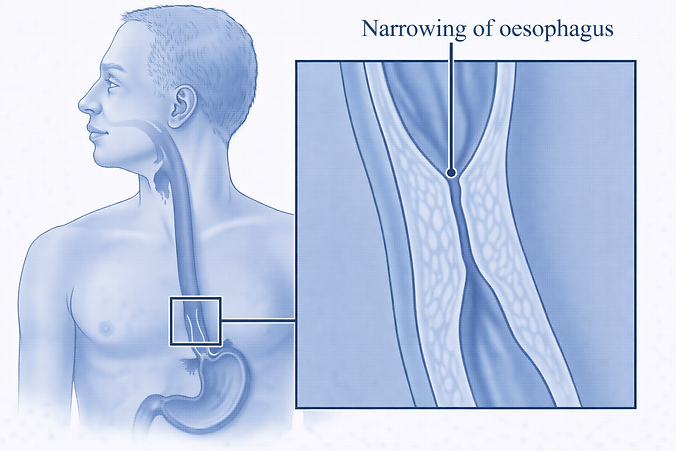
Dysphagia (Difficulty swallowing) workup
Dysphagia is the medical term for difficulty swallowing. It may affect swallowing of solids, liquids, or both and can occur in the mouth, throat, or oesophagus. Dysphagia is not a diagnosis on its own but a symptom that requires investigation to identify the underlying cause.
Common causes include oesophageal strictures, reflux disease, inflammation, neurological conditions, muscle disorders, tumours, or foreign body impaction.
Evaluation of dysphagia depends on the pattern and severity of symptoms.
-
Clinical assessment and history
-
Gastroscopy (upper endoscopy)
-
Barium swallow or contrast studies
-
Biopsies if abnormal tissue is seen
-
Manometry
-
Additional imaging or specialist referral if required
Urgent investigation is required if dysphagia is progressive, associated with weight loss, pain, bleeding, or choking.
What to expect
Discharge Instructions
-
Do not drive or operate machinery for 24 hours after sedation.
-
Follow dietary advice provided (often soft foods initially).
-
Take prescribed medication as directed.
-
Monitor for pain, fever, bleeding, or worsening swallowing difficulty.